
Conditions
You are here: Home > Conditions > Hip, Groin and Thigh Pain > Hip Osteoarthritis
Osteoarthritis is a very common condition which can affect any joint in the body. Throughout life, our joints go through a normal process of repair and adaptation. As joints repair themselves, their shape and structure can gradually change. The cartilage may become thinner and the joint surfaces rougher. When these changes occur in one or more joints, it is known as osteoarthritis.
It is common for X-rays to show osteoarthritis in people who have little or no pain, while others with more pain may have only mild changes. Symptoms are influenced by many factors, not just the appearance of the joint.
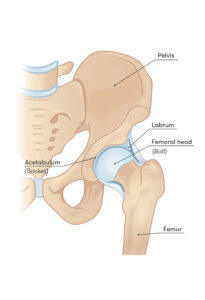
Image credit: https://www.injurymap.com/free-human-anatomy-illustrations
Symptoms often vary over time. You may notice everyday symptoms or periods where they temporarily flare up.
The exact cause of hip osteoarthritis is often not known, as there can be lots of reasons why a person develops the condition. Reasons include:
Read more about osteoarthritis on the Arthritis UK website.
There’s no cure for osteoarthritis, but there are things you can do for yourself that can make a difference to how the condition affects you. There are also some treatments available that could significantly reduce your pain and improve your mobility. It’s likely that you’ll need to use a combination of different things to get the best results.
Although the changes within the joint cannot be reversed, many people significantly improve their pain, strength and function with the right combination of education, exercise, activity modification and healthy lifestyle changes.
If symptoms have recently worsened it may be worth reducing activities that are painful. Trying to get a balance between rest and activity can help your pain to settle down. Taking regular breaks may help if prolonged walking or standing aggravates your symptoms.
Over-the-counter medicines: Over-the-counter pain relief may help you stay active. Always follow the advice provided with the medicine.
Topical creams: Some people find topical creams or gels helpful for short-term relief of pain and stiffness.
It is important to check whether you can take these medicines. If you are unsure whether you can take these medicines, speak to a pharmacist or another healthcare professional.
Regular exercise is one of the most effective treatments for hip osteoarthritis. Strengthening the muscles around the hip can reduce pain, improve movement and make everyday activities easier. Arthritis UK hip exercises may help improve strength, pain and movement.
If you are carrying extra weight, even a modest amount of weight loss can reduce the load through the hip and improve symptoms. You can calculate your BMI using the NHS BMI calculator.
Weight can affect symptoms in two ways: it can increase the physical load on your joints and tendons, and excess body fat can contribute to low-level inflammation in the body. This means that improving overall metabolic health may help symptoms as well as reducing physical load.
If your symptoms aren't improving or you feel you need more help, then please refer yourself to physiotherapy. We will assess your symptoms and work with you to develop a treatment plan. You can have one-to-one physiotherapy and have access to our gym classes. We can also refer you to other services to access other treatments listed below if appropriate.
Corticosteroid injections can sometimes reduce pain in the short term, particularly during a flare-up. They are not suitable for everyone and are usually considered alongside exercise rather than instead of it. It is not an appropriate option for everyone.
If symptoms remain severe despite appropriate treatment, a hip replacement may be an option. Your physiotherapist can discuss whether a referral for an orthopaedic opinion is appropriate.
Hip osteoarthritis is influenced by our overall health. Physical activity levels, body weight, diabetes, smoking, sleep quality and long-term stress can all affect pain and function. Staying active, improving general health and addressing lifestyle factors can help reduce symptoms and support long-term joint health. More support with health and lifestyle factors can be found on our Your Musculoskeletal Health webpage.
When to seek further advice
Some symptoms require urgent medical assessment rather than physiotherapy. Please seek urgent medical advice if you have any of the following:
If any of the other symptoms above apply to you, contact NHS 111 for advice.