
General Knee Pain Advice
Knee pain is very common and is rarely caused by a serious problem. Many people notice improvement within a few weeks, although some knee conditions can take several months to fully settle. The advice on this page can help many common knee problems. The information on this page can help with all knee problems.
Select one of the conditions to learn more about common knee problems. This is not a complete list, but covers the conditions we see most often. Each page explains the condition, how it is usually treated, and how our service may be able to help. If you would like support from our team, you can self-refer to physiotherapy.
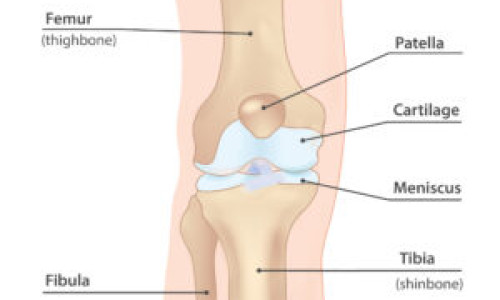
Image credit: https://www.injurymap.com/free-human-anatomy-illustrations
Steps to take to recovery
Adjust Activities
Try to keep moving while temporarily reducing activities that significantly increase your pain. Complete rest is usually not helpful. Reducing activities that significantly aggravate your symptoms for a short period can help settle a flare-up.
Use Ice or Heat: Some people find this helpful to reduce their pain. If you have had a recent injury it may help to apply an ice or cold pack (15-20 minutes a few times a day in the initial 48 hours). If you have a longer-standing knee issue, then heat packs may help soothe some of your pain. Wrap ice or heat packs in a towel and do not place them directly onto your skin to avoid ice or heat burns.
Exercises
Keeping the knee moving and gradually strengthening the surrounding muscles can help reduce pain and improve function. Start with gentle movements and progress gradually. Some discomfort during exercise is normal, but the pain should settle soon afterwards.
Keeping the knee mobile and the muscles activating can be helpful to recover and avoid other issues. There are exercises for the knee from Arthritis UK.
Pain Relief
Over-the-counter medicines: Over-the-counter pain relief may help you stay active. Always follow the advice provided with the medicine.
Topical creams: Some people find topical creams or gels helpful for short-term relief of pain and stiffness.
It is important to check whether you can take these medicines. If you are unsure whether you can take these medicines, speak to a pharmacist or another healthcare professional.
Weight Management
If you are carrying extra weight, even a modest amount of weight loss can reduce the load through the knee and improve symptoms. You can calculate your BMI using the NHS BMI calculator.
Weight can affect symptoms in two ways: it can increase the physical load on your joints and tendons, and excess body fat can contribute to low-level inflammation in the body. This means that improving overall metabolic health may help symptoms as well as reducing physical load.
Lifestyle factors that influence health
Many knee problems are influenced by our overall health and wellbeing. Smoking, carrying extra weight, diabetes, poor sleep and long-term stress can influence pain, recovery and physical function. Staying active, gradually strengthening the muscles around the knee, and addressing lifestyle factors can help reduce pain, improve function and support recovery. More support with health and lifestyle factors can be found on Your Musculoskeletal Health.
When to seek further advice
There are circumstances where physiotherapy is not appropriate. Please seek urgent medical advice if you have any of the following:
- Severe knee pain, swelling or bruising following a fall or injury, particularly if you cannot stand or bear weight
- Signs of infection such as increasing redness, warmth, swelling, fever or feeling generally unwell
If any of the above applies to you, contact NHS 111 for advice
Knee Osteoarthritis
Meniscal Injury
Patellofemoral Pain