
Conditions
You are here: Home > Conditions > Knee Pain > Meniscal Injury
Inside your knee there are two C-shaped pieces of cartilage called the meniscus. They are like shock absorbers between your thigh bone and shin bone. They help cushion your knee and keep it stable. The meniscus can become injured through a sudden twisting movement or gradually develop small tears as part of the normal ageing process.
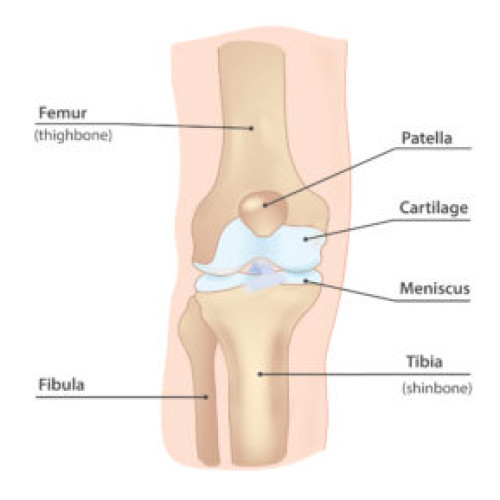
Image credit: https://www.injurymap.com/free-human-anatomy-illustrations
Typical symptoms:
Seek urgent attention if:
Meniscus injuries usually happen following a twisting motion to the knee with the foot planted on the floor. It can also happen during a tackle when playing sports. In older adults, small meniscal tears often develop gradually as part of the normal ageing process. Many people have these changes without any pain or symptoms. A meniscal tear seen on a scan does not always mean it is the cause of knee pain.
Most meniscal injuries improve without surgery. Although recovery can take several weeks or months, gradually returning to activity and completing regular strengthening exercises is usually the most effective treatment.
Try to keep moving while temporarily reducing activities that significantly increase your pain. Complete rest is usually not helpful. Gradually return to your usual activities as symptoms improve.
Over-the-counter medicines: Over-the-counter pain relief may help you stay active. Always follow the advice provided with the medicine.
Topical creams: Some people find topical creams or gels helpful for short-term relief of pain and stiffness.
It is important to check whether you can take these medicines. If you are unsure whether you can take these medicines, speak to a pharmacist or another healthcare professional.
Exercises are one of the most effective treatments for meniscal injuries. Strengthening the muscles around the knee can reduce pain, improve stability and help you return to normal activities. Arthritis UK knee exercises may help.
If you are carrying extra weight, even a modest amount of weight loss can reduce the load through the knee and improve symptoms. You can calculate your BMI using the NHS BMI calculator.
Weight can affect symptoms in two ways: it can increase the physical load on your joints and tendons, and excess body fat can contribute to low-level inflammation in the body. This means that improving overall metabolic health may help symptoms as well as reducing physical load.
If your symptoms aren't improving or you feel you need more help, then please refer yourself to physiotherapy. We will assess your symptoms and work with you to develop a treatment plan. You can have one-to-one physiotherapy and have access to our gym classes. We can also refer you to other services to access other treatments listed if appropriate.
In some cases, injections may reduce severe inflammation and pain for a period. Sometimes used when pain limits progress with exercise. It is not an appropriate option for everyone.
Most people do not need surgery and improve with exercise and rehabilitation. Surgery may occasionally be considered if the knee is truly locked by a large meniscal tear or if symptoms continue despite appropriate treatment. If surgery is recommended, it is usually performed using keyhole surgery (arthroscopy).
Recovery from a meniscal injury is influenced by more than just the knee itself. Smoking, diabetes, carrying extra weight, poor sleep and long-term stress can all affect pain and recovery. Staying active, gradually strengthening the muscles around the knee and improving your general health can help reduce symptoms and improve function. More support with health and lifestyle factors can be found on Your Musculoskeletal Health.
When to seek further advice
There are circumstances where physiotherapy is not appropriate. Please seek urgent medical advice if you have any of the following:
If any of the above applies to you, contact NHS 111 for advice