
General Shoulder Pain Advice
Shoulder pain is very common. Two-thirds of people will experience shoulder pain in their lifetime. Most shoulder issues resolve with time. Below is some general advice to help you manage your shoulder pain.
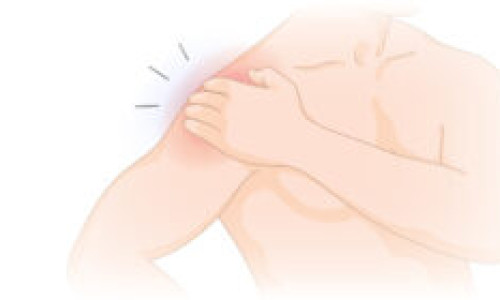
Image credit: https://www.injurymap.com/free-human-anatomy-illustrations
Steps to take to recovery
Self-Management
Adjust Activities
It may help to reduce or change activities that make your pain significantly worse for a short time. As your symptoms improve, gradually return to your usual activities.
Hot and Cold Treatments
Use Ice or Heat: Some people find this helpful to reduce their pain. If you have had a recent injury, it may help to apply an ice or cold pack (15-20 minutes a few times a day in the initial 48 hours). If you have a longer-standing issue, then heat packs may help soothe some of your pain. Do not apply ice or heat directly to your skin and avoid using it for long periods to reduce the risk of burns.
Exercises
Start with gentle exercises to improve flexibility and movement. Avoid forcing movements that cause a sharp or increasing pain. Some mild discomfort during exercise can be normal, but your symptoms should settle afterwards. Keeping the shoulder mobile can help recovery and reduce the risk of developing stiffness. See exercises for the shoulders at Arthritis UK.
Pain Relief
Over-the-counter medicines: Over-the-counter pain relief may help you stay active. Always follow the advice provided with the medicine.
Topical creams: Some people find topical creams or gels helpful for short-term relief of pain and stiffness.
It is important to check whether you can take these medicines. If you are unsure whether you can take these medicines, speak to a pharmacist or another healthcare professional.
Our service offers a range of treatment options for shoulder pain. After your assessment, we will work with you to develop a treatment plan, which often includes exercises to complete at home. You may also have the option of joining one of our gym classes.
Exercise programmes often take several weeks or months to provide their full benefit, so it is important to continue with them if you can. Depending on your assessment, we may consider treatments such as corticosteroid injections, further investigations, or referral for a specialist opinion.
To find more information on specific shoulder problems please select a condition to find out more. This is not an exhaustive list of shoulder problems. We have included information about some of the most common shoulder conditions, including their symptoms, treatment options and how physiotherapy may help. If you would like further support from our team for your shoulder issue you can refer yourself to physiotherapy.
When to seek further advice
Most shoulder pain can be managed safely with self-care. However, contact NHS 111 if you have any of the following:
- A recent injury or fall that has caused severe pain or a sudden loss of movement.
- You cannot move your shoulder after a fall, injury or seizure.
- A shoulder that is hot, red or swollen, especially if you also have a fever or feel generally unwell.
These symptoms may need urgent assessment.
Frozen Shoulder
Shoulder Osteoarthritis
Shoulder Instability
Rotator Cuff Related Shoulder Pain