
Conditions
You are here: Home > Conditions > Knee Pain > Patellofemoral Pain
Patellofemoral pain is pain at the front of your knee, around or behind the kneecap (patella). It is also known as ‘runner’s knee’, but it can affect anybody. Although the pain can be frustrating, it is not usually a sign of serious damage to the knee and most people improve with the right exercises and activity changes.
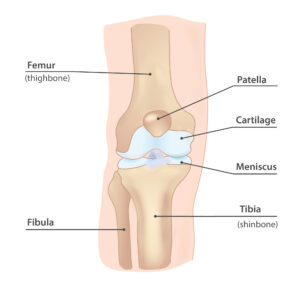
Image credit: https://www.injurymap.com/free-human-anatomy-illustrations
You may notice:
Sometimes pain can start after falling onto the knee. However, most of the time there is no specific injury, and symptoms are likely down to a combination of factors.
It is most associated with:
Other contributing factors might include:
Patellofemoral pain can take several weeks or months to fully settle. It is common for symptoms to fluctuate, particularly when increasing activity. A temporary increase in pain does not necessarily mean you have caused damage, and gradually increasing activity is an important part of recovery.
Try to keep moving while temporarily reducing activities that significantly increase your pain. Complete rest is usually not helpful. Gradually return to your usual activities as symptoms improve.
Over-the-counter medicines: Over-the-counter pain relief may help you stay active. Always follow the advice provided with the medicine.
Topical creams: Some people find topical creams or gels helpful for short-term relief of pain and stiffness.
It is important to check whether you can take these medicines. If you are unsure whether you can take these medicines, speak to a pharmacist or another healthcare professional.
Exercise is the most effective treatment for patellofemoral pain. Strengthening the muscles around the hip and knee can reduce pain, improve function and help you return to work, sport and everyday activities. Arthritis UK knee exercises may help.
Some people find taping helps reduce pain in the short term, allowing them to exercise more comfortably.
If you are carrying extra weight, even a modest amount of weight loss can reduce the load through the knee and improve symptoms. You can calculate your BMI using the NHS BMI calculator.
Weight can affect symptoms in two ways: it can increase the physical load on your joints and tendons, and excess body fat can contribute to low-level inflammation in the body. This means that improving overall metabolic health may help symptoms as well as reducing physical load.
If your symptoms aren't improving or you feel you need more help, then please refer yourself to physiotherapy. We will assess your symptoms and work with you to develop a treatment plan. You can have one-to-one physiotherapy and have access to our gym classes. We can also refer you to other services to access other treatments listed below if appropriate.
Some people benefit from shoe insoles, particularly if foot posture is contributing to symptoms. If appropriate, your physiotherapist can advise whether these may help.
Surgery is rarely needed for patellofemoral pain and is not recommended for most people. Most people improve with exercise, activity modification and physiotherapy. If your physiotherapist felt this may be an option for you they would discuss this with you.
Patellofemoral pain is influenced by more than just the knee itself. Changes in activity levels, muscle strength, sleep, stress, smoking, diabetes and overall health can all affect pain and recovery. Keeping active, strengthening the muscles around the hip and knee, and looking after your general health can help reduce symptoms and improve function. More support with health and lifestyle factors can be found Your Musculoskeletal Health page.
When to seek further advice
There are circumstances where physiotherapy is not appropriate. Please seek urgent medical advice if you have any of the following:
If any of the above applies to you, contact NHS 111 for advice